

Online Qurbani 2026 Safe Easy Donate For Qurbani
Since we were just talking about how foundations like the Jawed Sheikh one handle social welfare, it makes total sense to look at how a Qurbani Donation fits into the bigger picture of helping people. Every year, millions of Muslims around the globe participate in this beautiful act of sacrifice. But if we just look at it as a yearly ritual, we are missing the point entirely. It is a massive economic shift that happens over just three days, routing wealth directly from people who have it to families who haven’t tasted meat in months.
Book your online qurbani with Jawed Sheikh Foundation Welfare to provide meat to the needy. We are a trusted non governmental organization for qurbani donation services.
When you make your donation, you aren’t just checking a box off your religious to-do list. You are literally funding a massive supply chain of kindness. Think about it—farmers get paid for their livestock, truck drivers earn a living moving the animals, butchers get seasonal work, and finally, vulnerable families recieve high-quality nutrition. In places struggling with extreme inflation, this meat is a luxury they simply cannot afford on thier own.
I always tell people that the social impact here is double what you expect. It connects the global community in a way very few other charities can. You could be sitting in a comfortable apartment in London or Karachi, and your contribution is putting a hot, nutritious meal on a plate in a remote village halfway across the world. It bridges the massive gap between different social classes, making everyone feel like they belong to one big family. That is the real, undeniable power behind doing this the right way.
The Sacred Tradition and Spiritual Blessings
At its very core, this whole practice stems from the profound story of Prophet Ibrahim (AS) and his absolute willingness to sacrifice his son for the sake of Allah. It’s a lesson in ultimate devotion and letting go of our attachments to worldly things. When we give a Qurbani Donation, we are symbolically saying that nothing we own—not our money, our status, or our comforts—is more important than empathy and obedience.
Spiritually, the rewards are immense. We are taught that every single hair on the sacrificed animal carries a blessing for the person who gave it. But honesty, the internal peace you feel is the immediate reward. In our busy, capitalistic lives, we tend to hold onto our wealth tightly. Spending money on a sacrifice and giving the best parts of it away forces us to practice detachment. It cleanses the heart from selfishness and reminds us that our wealth is just a temporary gift we are meant to share.
Plus, it creates a sense of shared joy. Religion shouldn’t just be about individual rituals done in a corner; it’s deeply communal. When you share the meat with relatives, neighbors, and especially the poor, you are weaving a tighter social fabric. It teaches the younger generation the value of sharing and shows them that true happiness comes from making someone else smile.
Why Modern Donations Are Changing the Game
Back in the day, everyone bought their own animal, handled the sacrifice in their backyard, and walked around the neighborhood to hand out portions. While that traditional vibe is beautiful, it’s not always practical anymore, especially if you live in a crowded city or overseas. That’s where the modern approach completely changes the game for the better. By opting for a digital platform or an organized NGO, you make the whole process incredibly efficient.
Modern systems allow you to send your support to areas that are actually facing severe crises, like famine or refugee situations, where local livestock might be scarce or too expensive. Instead of overloading one neighborhood with meat where people might already be doing okay, large-scale organizations can balance things out. They make sure the food goes to the absolute most forgotten corners of the map.
Also, let’s be real about the hygiene aspect. Doing this in structured, professional facilities means the meat is handled safely, packed cleanly, and often canned or frozen to last longer. This way, families don’t just get a huge influx of food that spoils in two days because they don’t have a fridge. Instead, it provides sustainable, long-term relief. It’s just a smarter, much more impactful way to handle things in 2026.

How to Choose a Trustworthy Charity for Your Sacrifice
With so many organizations popping up every season asking for your support, finding the right place to trust can feel a bit overwhelming. You want to be absolutely sure that your hard-earned money is being spent exactly how you intended. A lot of people just pick the first option they see online, but taking a few minutes to dig a bit deeper ensures your contribution actually reaches the people who are genuinely desperate for it.
The best charities are the ones that treat your trust as a heavy responsibility. They don’t just take the funds and disappear until next year; they actively share updates. Look for groups that have a proven track record of working on the ground. It is always better to support organizations that have permanent teams in the target areas, rather than groups that just show up for a week and then leave. Permanent teams know who the poorest families really are.
Don’t be shy to ask hard questions either. A good organization will gladly tell you where they buy their animals, how they verify their health, and how they manage the logistics. At the end of the day, this is an act of worship for you, so the charity should treat the execution with the highest level of professionalism and respect.
Looking for Transparency and Fair Distribution
Transparency isn’t just a fancy buzzword; it’s everything when it comes to charitable giving. When you are looking into an agency, check if they provide detailed feedback reports. Do they send out pictures, videos, or verification emails after the sacrifice is made? While you don’t need your name plastered everywhere, knowing that a specific animal was dedicated on your behalf gives you massive peace of mind.
Fair distribution means they have a strict vetting process for recipients. Sadly, in many developing regions, the strongest or most vocal people end up getting all the aid, while the quiet, truly vulnerable families—like elderly widows or disabled individuals—get left behind. A trustworthy charity maps out neighborhoods beforehand, giving out tokens or vouchers to ensure the distributions are organized, peaceful, and fair.
You should also look closely at their financial breakdowns. If an organization is spending a massive chunk of your money on flashy marketing and very little on the actual livestock and distribution, that’s a pretty big red flag. The focus should always be on maximizing the value that reaches the ground.
Global vs Local Distribution Networks
This is a classic dilemma: Should you send your money abroad to war zones and disaster areas, or should you keep it local to help the needy right in your own city? Honestly, there is no wrong answer here, but understanding how these networks operate can help you make a more intentional choice based on what matters most to you.
Global networks are incredible at scaling up operations. They can buy livestock in bulk, which often makes the cost per share much lower. This means your money can go a long way in places like East Africa or refugee camps in the Middle East, where economic collapse has made meat an impossible dream for locals. It targets absolute survival situations.
On the flips side, local giving allows you to see the impact with your own eyes. Even in wealthy nations, there are hidden pockets of poverty, homeless shelters, and low-income families who struggle silently. Giving locally strengthens your immediate community and ensures you aren’t ignoring the needy on your own doorstep. A balanced approach—doing one share locally and another globally—is often the sweet spot for many donors.
Making Your Donation Count This Year
To get the absolute most out of your experience, you need to think ahead. Don’t wait until the night before Eid to scramble for an online payment form. When you plan early, you give charities the time they need to source healthy animals from local farmers at fair prices, avoiding the massive price spikes that happen right before the holiday.
Making it count also means involving your family in the decision-making process. Sit down with your kids or siblings and look through the options together. Let them choose which region or country the support should go to. This turns a simple financial transaction into a powerful, living lesson about empathy and global citizenship that they will remember for years.
Lastly, make sure you double-check the rules regarding who you are giving on behalf of. Whether it’s a compulsory sacrifice for yourself or an extra voluntary one for a deceased loved one, keeping your intentions clear from the start makes the whole process feel much more grounded and spiritually fulfilling.
Selecting the Right Type of Animal
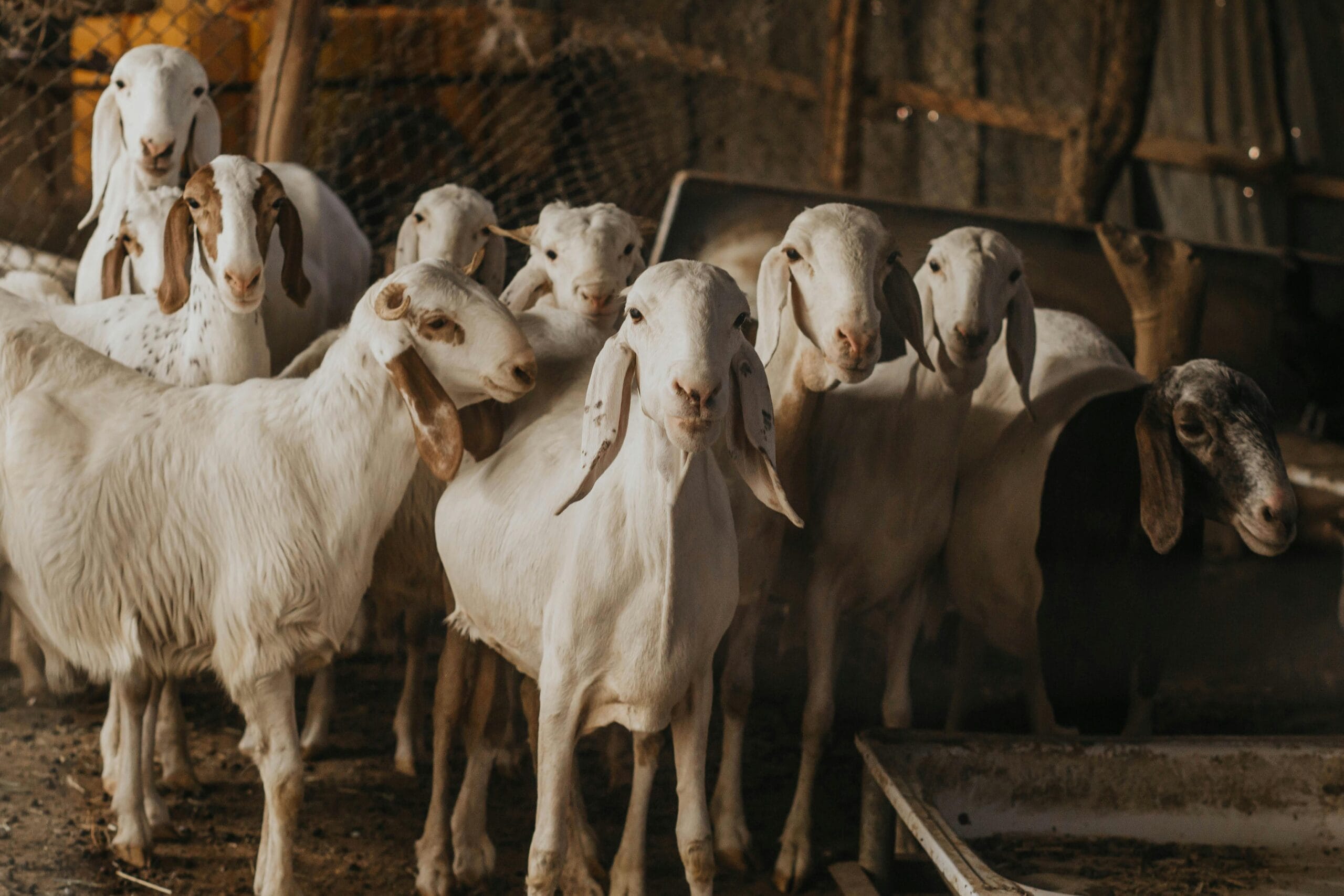
When looking at option lists, you will generally see choices between small animals like goats and sheep, or a share in a larger animal like a cow or a camel. A small animal counts as one full sacrifice for one individual, while a larger animal is split into seven equal shares. Both options are completely valid, but they have different practical benefits depending on the region.
Goats and sheep are often easier to distribute in mountainous or rugged terrains because they can be handled individually and moved to remote homes without needing massive refrigeration units. On the other hand, a large animal like a cow provides a massive volume of meat all at once, making it ideal for large refugee camps or soup kitchens where community meals are being cooked in giant pots.
Make sure the organization you choose guarantees that the animals meet all the necessary age and health requirements. They shouldn’t be injured, too thin, or sickly. Paying attention to these tiny details shows that you take the quality of your gift seriously, ensuring that what you give to the poor is something you would be happy to receive yourself.
Deadlines and Proper Timing Rules
Timing is absolutely everything when it comes to this specific ritual. The sacrifice must happen during a very strict window: after the Eid prayer on the 10th of Dhul Hijjah, up until the sun sets on the 13th of Dhul Hijjah. If an animal is slaughtered even a minute before the morning prayer, it just counts as regular meat, not Qurbani.
Because of these tight timelines, most major international organizations close their donation portals a few days before Eid starts. They need this buffer time to finalize lists, assign names to specific animals, and coordinate with teams on the ground across different time zones. If you miss the deadline, your money might just end up in a general charity fund instead.
So, dont leave it to chance. Set a reminder on your phone a week before the Islamic month of Dhul Hijjah begins. This ensures your funds clear in time, the logistics run smoothly, and you can spend your Eid day focusing on prayer and family, completely stress-free, knowing that your duty to the global community has already been handled beautifully.